
THE JTF REGIONAL CHALLENGES

The South Africa
National Cleantech Innovation Challenge
A Just Transition to the Future Programme
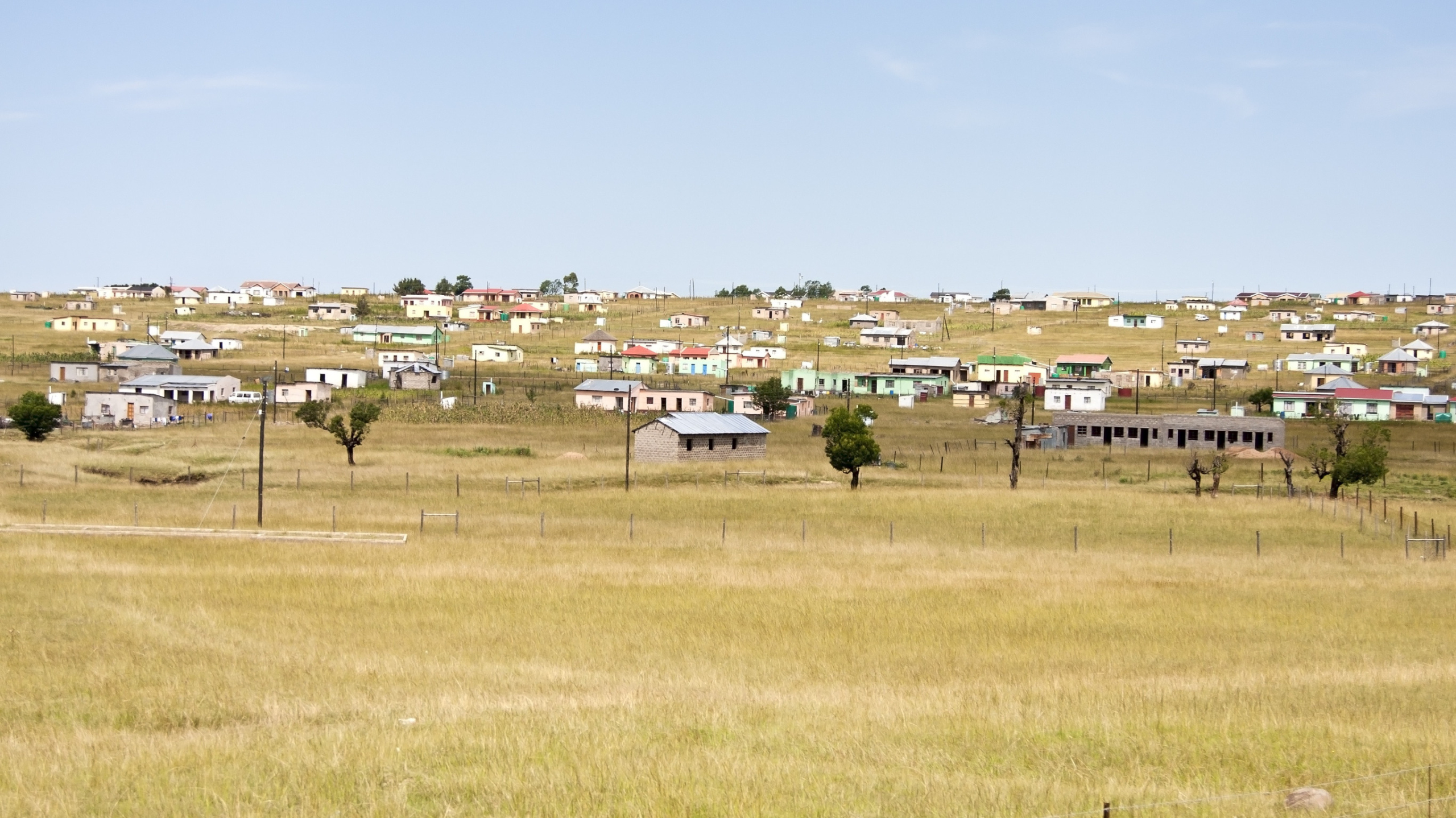
SOUTH AFRICA
1 National Challenge – 9 Challenge Categories
The South Africa National Cleantech Innovation Challenge (NCIC) is the South African implementation of the United Nations Industrial Development Organization’s Global Just Transition to the Future (JTF) program, a series of technology challenges in various regions of the world aimed at encouraging cleantech entrepreneurs to propose innovative solutions. The NCIC is a national program across South Africa’s nine provinces identifying critical problems in each region that, if solved, would significantly accelerate South Africa’s transition to carbon neutrality. The NCIC will then launch a comprehensive outreach program appealing to South African entrepreneurs, innovators, engineers and scientists to offer their solutions. The “best” solutions will be offered a range of prizes, including the chance to pilot their inventions.
This program aims to stimulate innovations that reduce GHGs across South Africa, thus speeding South Africa’s transition to a reduced-carbon future and accelerating the growth of its green economy. As such, the NCIC seeks to engage with entrepreneurs, innovators, scientists, and corporate leaders to accelerate South Africa’s embrace of sustainable technologies. Moreover, the NCIC will encourage innovations that are developed by women and other underserved populations. Ultimately, the NCIC seeks to be a key strategy in South Africa’s Ministry of Science, Technology, and Innovation’s effort to make the country more sustainable.


MEXICO
Electric Vehicle Charging Hub of the Future
A Just Transition to the Future Global Programme
Challenge Introductory Statement
Network for Global Innovation (NGIN), in partnership with GreenMomentum, is organizing an e-mobility-focused technology challenge. The rapid advancement and adoption of Electric Vehicles (EVs) present a transformative opportunity and challenge for urban infrastructure, particularly in electrical supply and demand management. These hubs are crucial for facilitating the widespread adoption of EVs by providing quick, reliable charging solutions.
Solutions should target one or more of the following applications:
- Innovations at the nexus of sustainable energy and e-mobility including irrigation, crop production, storage, distribution and business models.
- Solutions that empower the workforce by providing reskilling opportunities and creating new jobs in the renewable energy sector will be
- Implementing sustainable energy solutions that improve livelihoods while reducing GHG emissions and minimizing environmental impact.
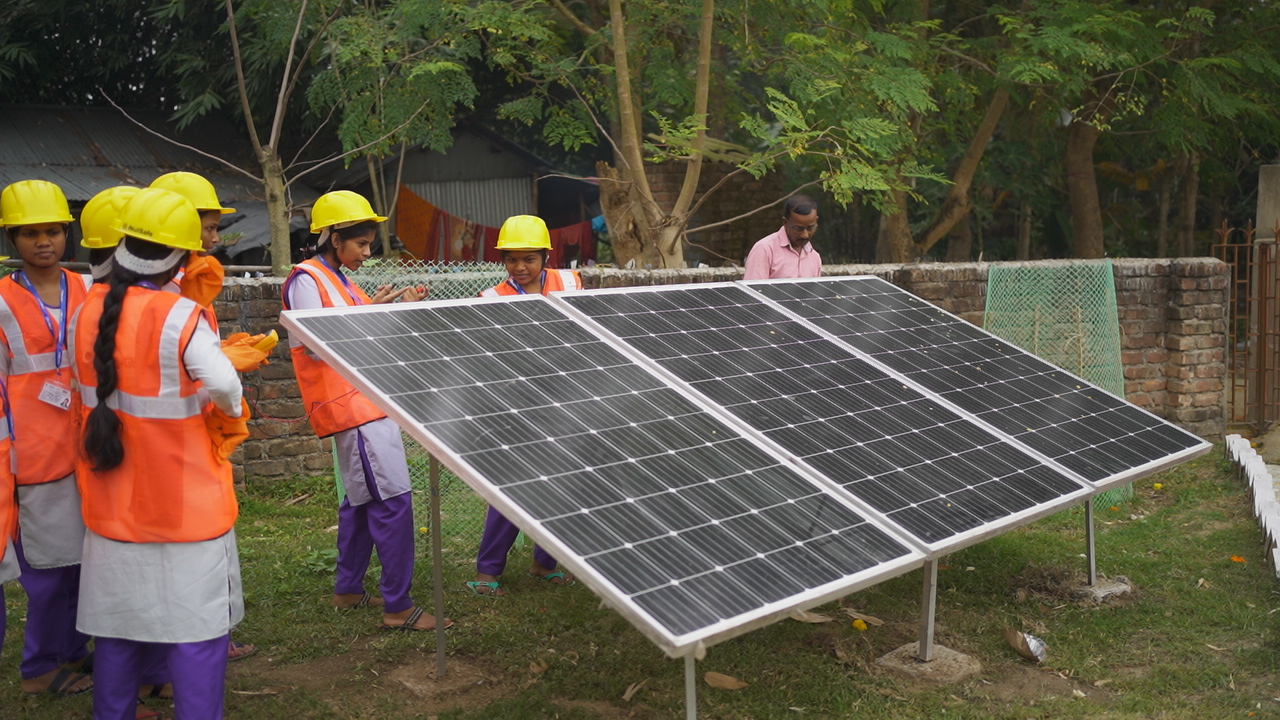
INDIA
Greenovation Energy Challenge A Renewable Energy Challenge for Agri and Allied Sectors
A Just Transition to the Future Global Programme
Challenge Introductory Statement
As the global demand for sustainable energy solutions intensifies, India’s agricultural sector stands at the crossroads of innovation and necessity. Greenovation Energy Challenge invites visionary entrepreneurs to pioneer groundbreaking solutions and technologies that promote a just transition to renewable energy for our nation’s farmers.

NAMIBIA
Water-Energy Nexus Solutions for Drought-Resilient Communities
A Just Transition to the Future Global Programme
Challenge Introductory Statement
The Water-Energy Nexus Challenge invites participants to develop integrated solutions that optimize both energy and water use in various contexts. The goal is to create sustainable approaches that address the dual challenges of water scarcity and energy efficiency, enabling communities, industries, and agriculture to thrive in the face of drought and climate change.
Participants are encouraged to design holistic systems that incorporate renewable energy to power advanced water management technologies, including water recycling, energy-efficient water distribution, and water-saving infrastructure. Solutions should be adaptable to the specific conditions of drought-prone regions and scalable for broader implementation across sectors, including households, agriculture, and industry.